Insights from the works.
Practical notes on compliance, procurement, quality and back-office operations — written by the consultants who do the work.


What is a Qonstrue Blueprint? Think of it as a specialist on demand.
Sometimes your business needs expertise it doesn't have in-house — a Carbon Reduction Plan a customer has asked for, an ISO standard you're not sure you're ready for, supplier risk you need to evidence. A Blueprint is a way to get that specialist help without hiring it permanently.
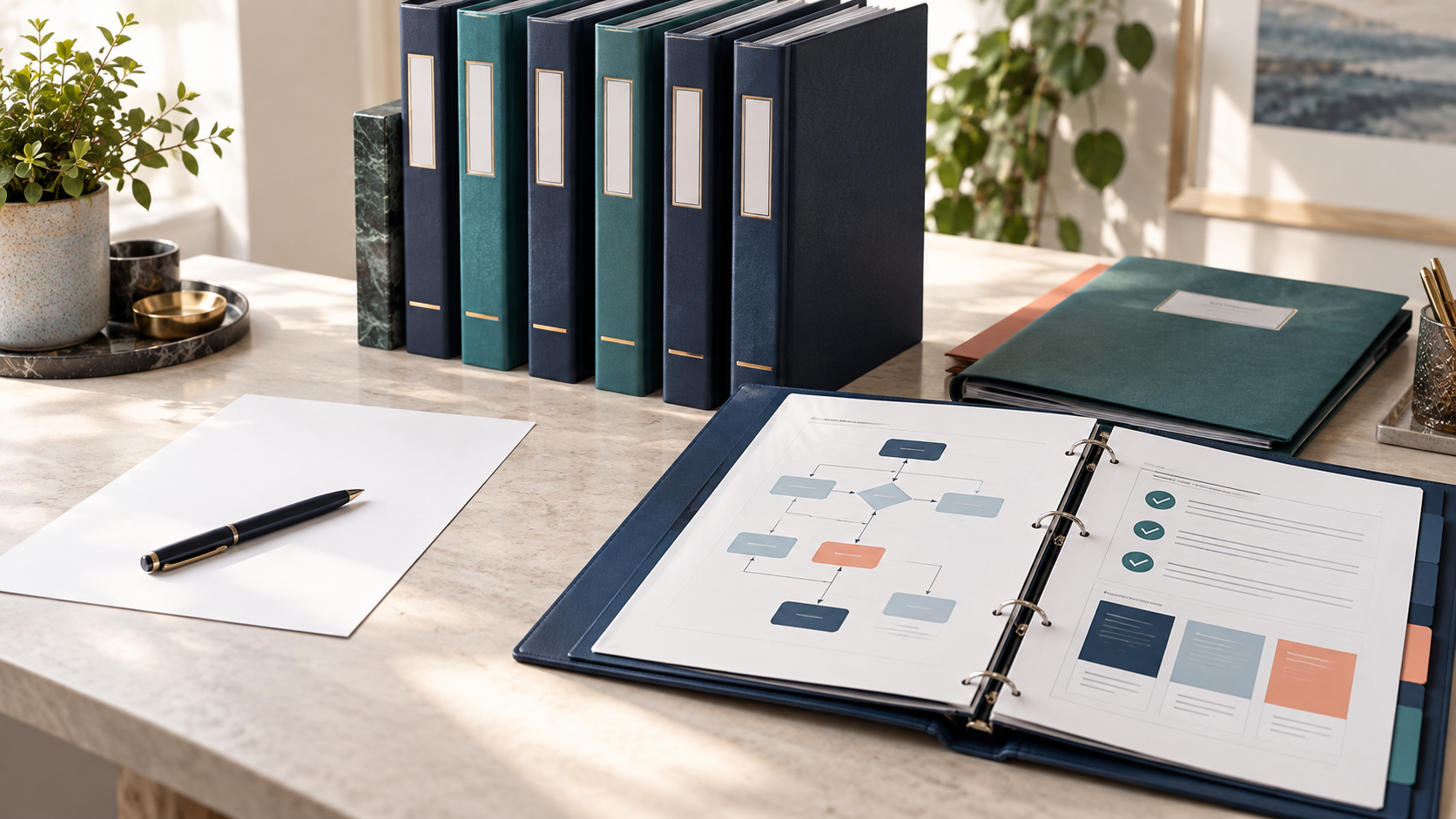
Why start from scratch? Try a Blueprint built by someone who's done it before.
Chances are the challenge in front of you isn't unique. Someone has answered the same customer request or prepared for the same standard — and may already have found a good way to do it.

Got a great way of doing something? Share it with the Qonstrue community.
Not every good business process comes from a consultant or a textbook. Some of the best come from people who have actually had to do the job — and you can package yours as a Blueprint and publish it for others to use.

How to set up your own Qonstrue Blueprint.
Every business has processes that someone knows how to do well — and that knowledge usually sits with one person. Turning it into a Blueprint takes five steps, and none of them involve designing a workflow.
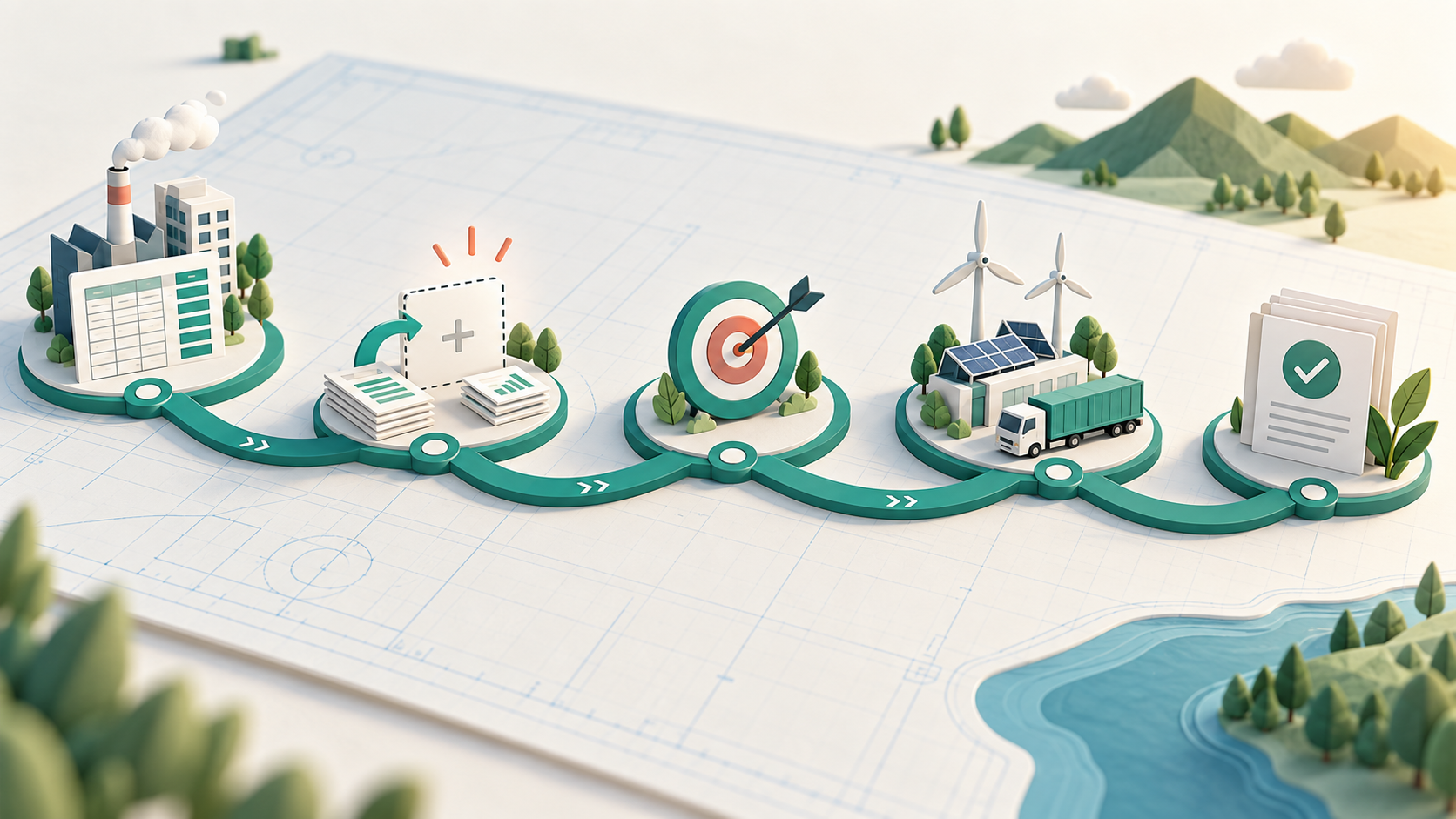
Setting science-based targets doesn't need to be complicated.
More customers are asking suppliers to show credible carbon targets. For most businesses the problem isn't willingness — it's knowing where to start, what data is needed and which requirements actually apply.

Turn your next commercial challenge into a Blueprint.
The best first Blueprint isn't a hypothetical. It's whatever is sitting with your commercial team right now — the tender that needs specialist input, the buyer requirement holding up a deal, the process someone rebuilds every week.
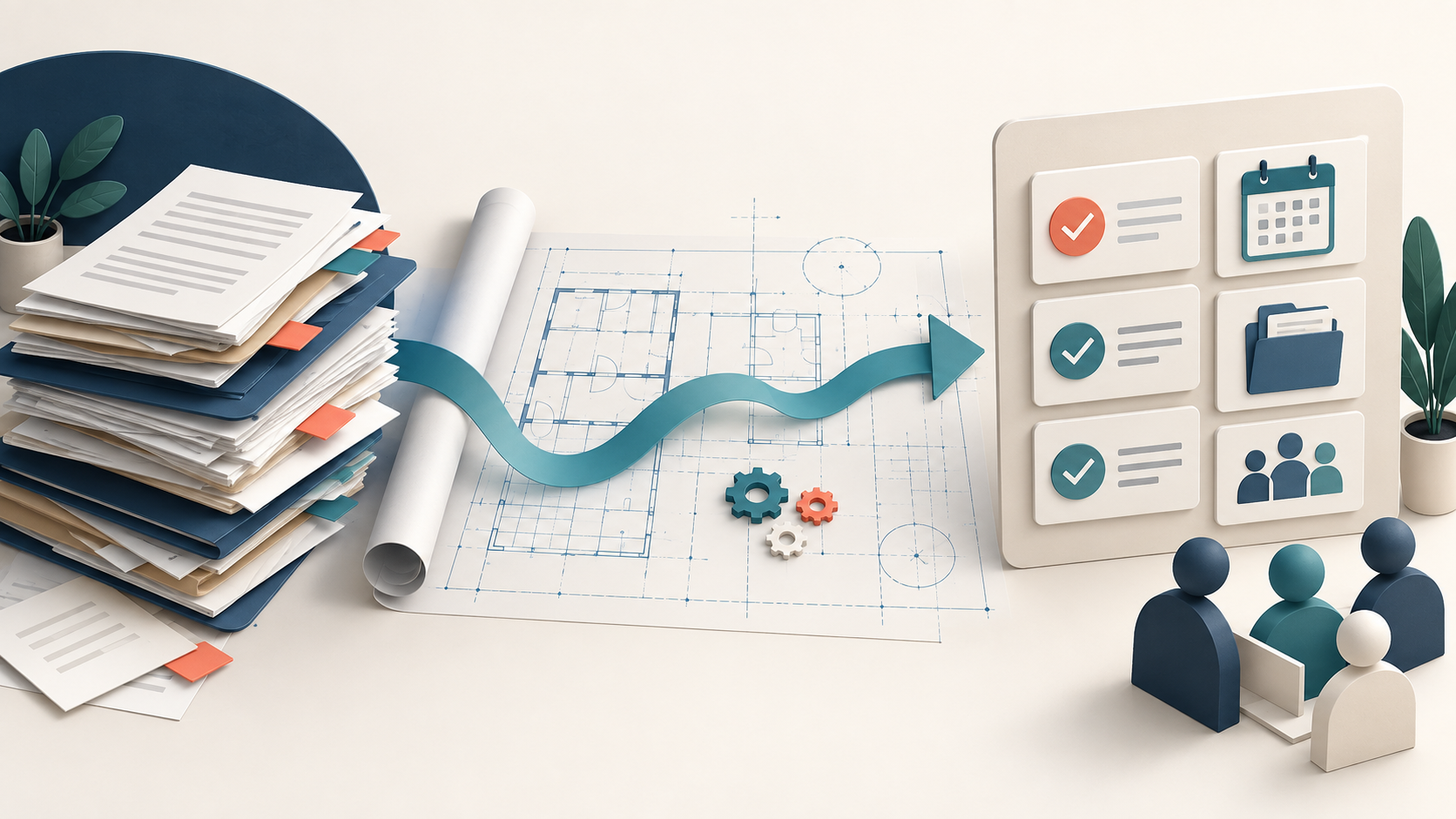
Blueprint in action: turning a tender pack into a plan you can work from.
The easiest way to understand a Blueprint is to watch one do a job. A tender lands, the pack is thick, and nobody has written a word yet. Here's how a commercial team gets from a folder of documents to a clear set of actions — and what happens the next time one arrives.
Embracing Digital Teammates in Quality Management: The Future of Efficiency and Innovation
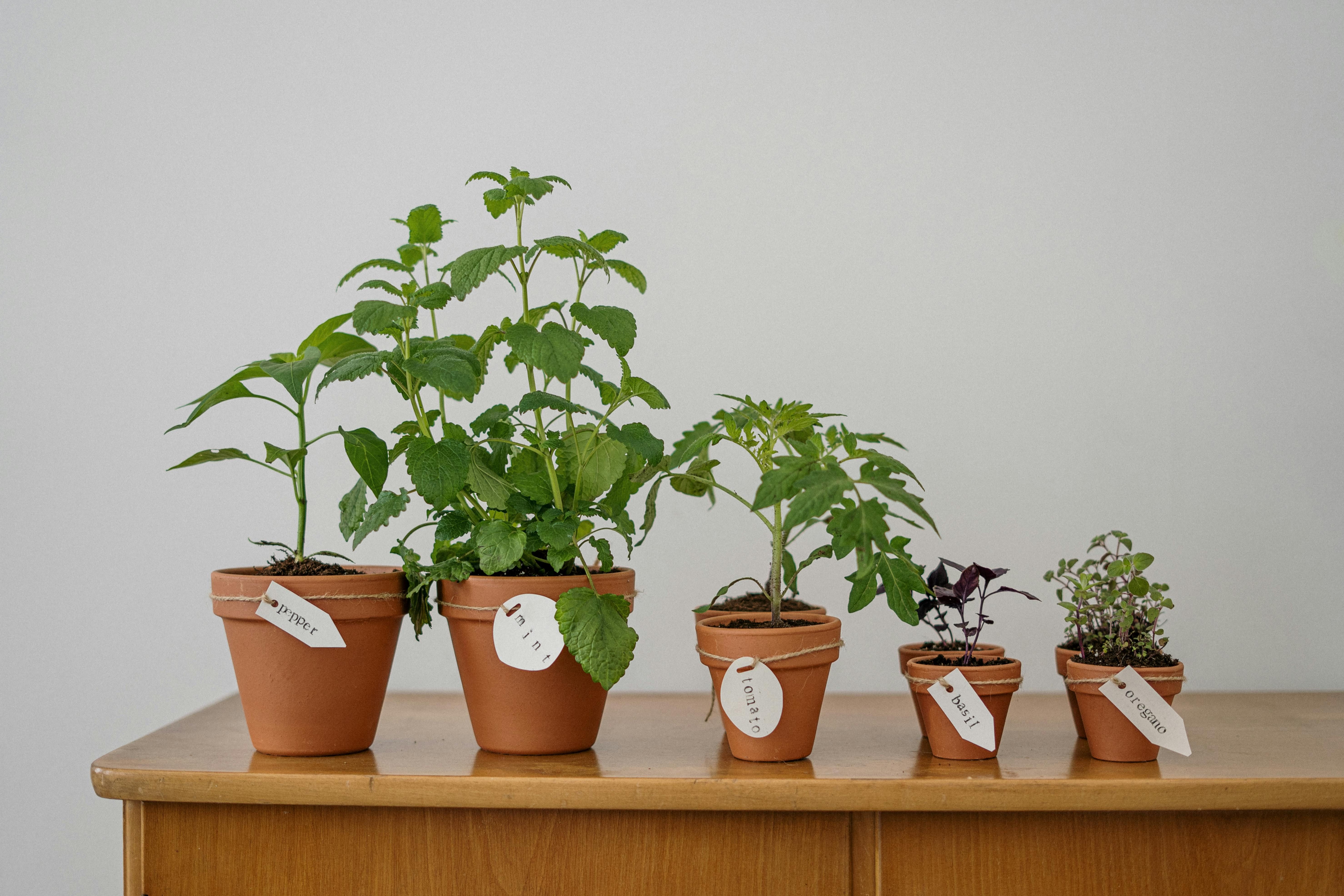
The Rise of Sustainability in Compliance Roles: A Business Imperative for the Future
Sustainable Certifications in Demand for B2B Suppliers in 2025

How to create a credible, Science-Based Carbon Reduction Plan

Sustainable Construction Materials: What’s Trending in 2025?
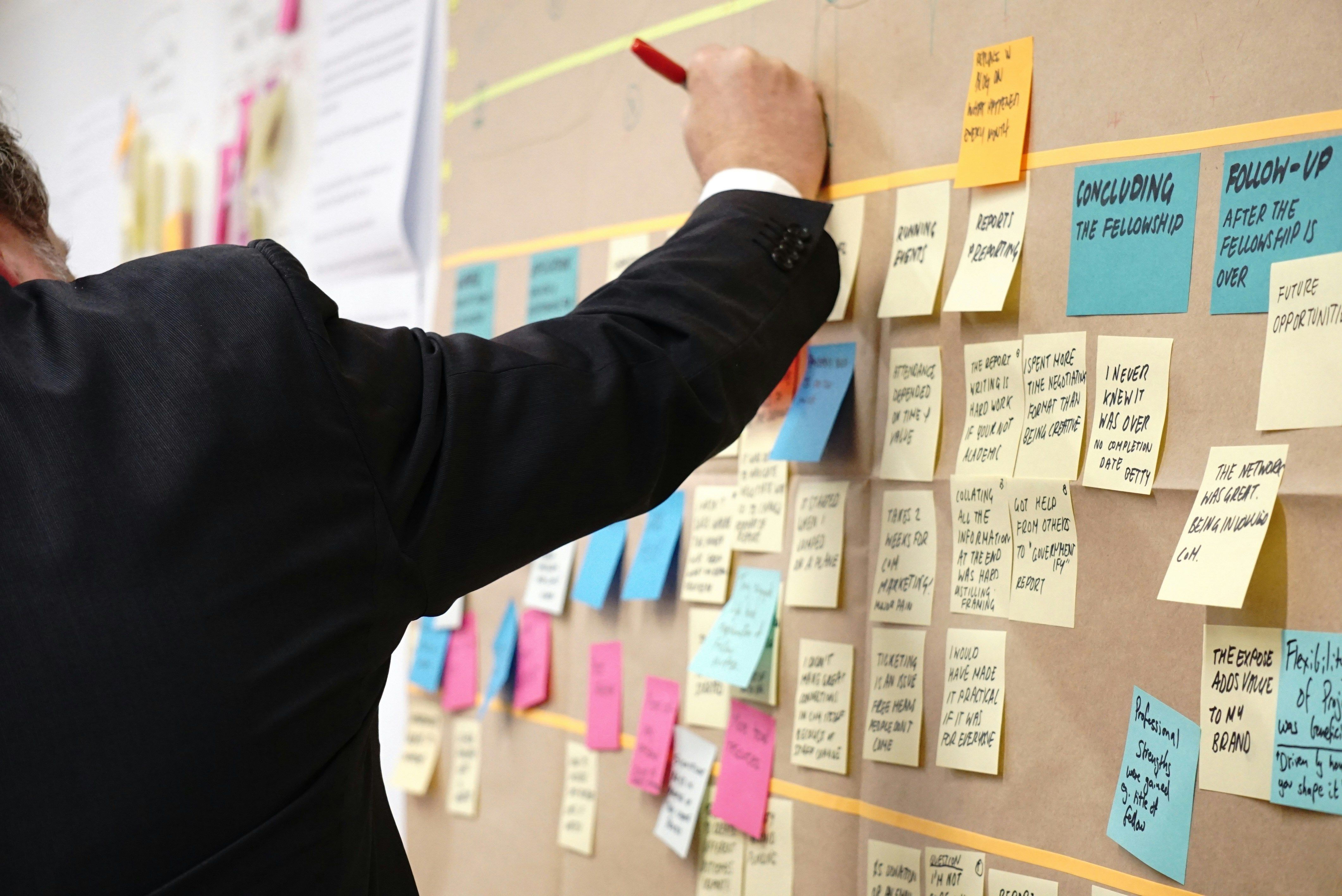
Why Are 2 Emission Targets Better Than 1?

How Technology is Transforming Sustainability Compliance
Navigating the Elephant in the Room: How Profit and Sustainability Can Coexist

Sustainability Compliance: Which Standards Should Manufacturers Prioritise?

How to Stay Ahead of Sustainability Requirements: Simple Steps to Lead the Way

What is CSRD, and Why Should Businesses Care?

3 Strategies to Turn Sustainability into a Growth Engine

Why Automating Repetitive Sustainability Tasks is the Key to Your Business's Success

The Hidden Costs of Ignoring Sustainability Compliance

Will 2025 shift towards increased demand for sustainability?