Move beyond fragmented supplier management. This guide explains a practical, tiered approach to classify suppliers and match your oversight to the risk of disruption and the value of collaboration.
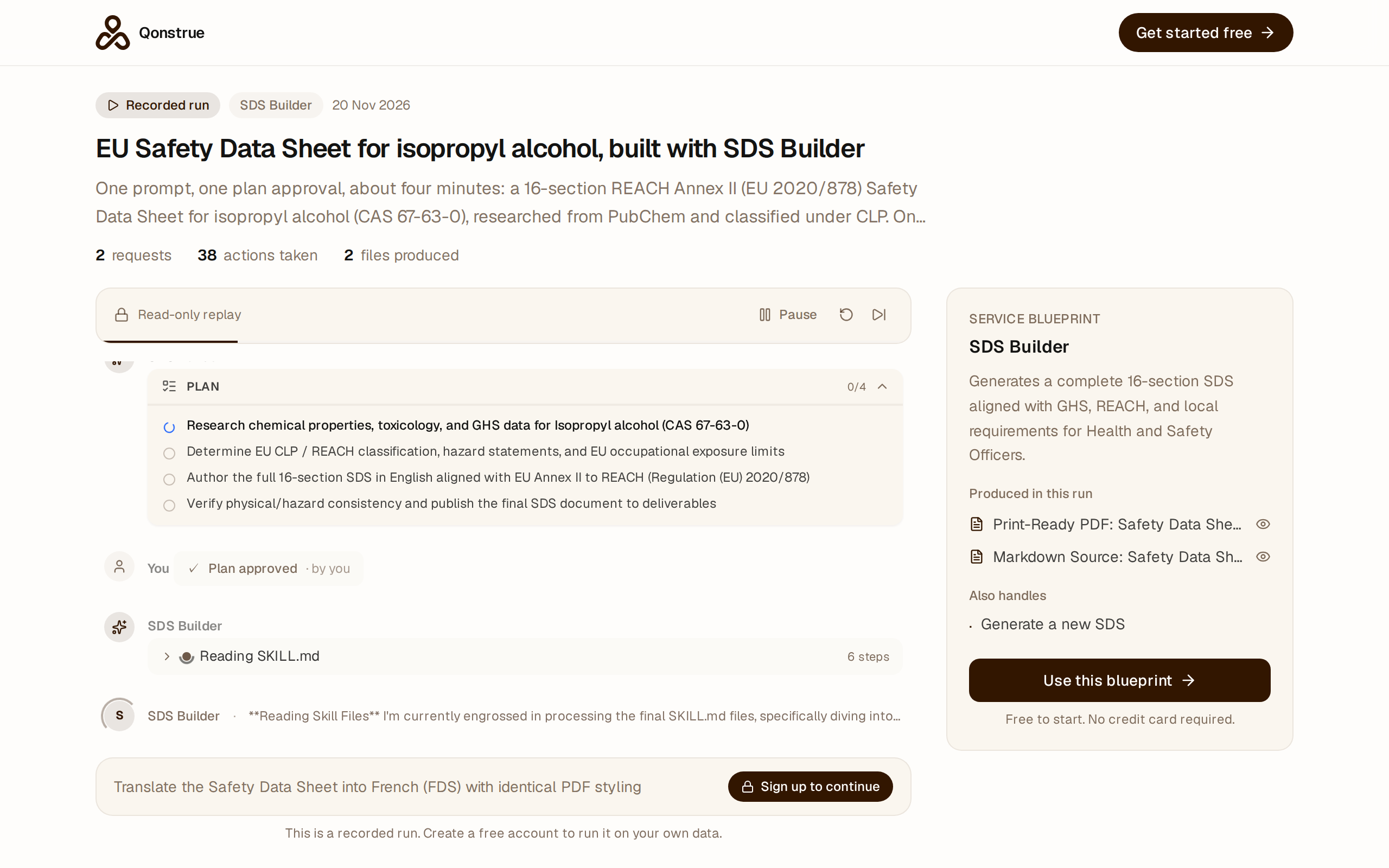
One prompt, one plan approval and about four minutes: how the SDS Builder blueprint drafted a complete 16-section EU Safety Data Sheet for isopropyl alcohol, turned it into a print-ready PDF with one follow-up, and what you still need to check.
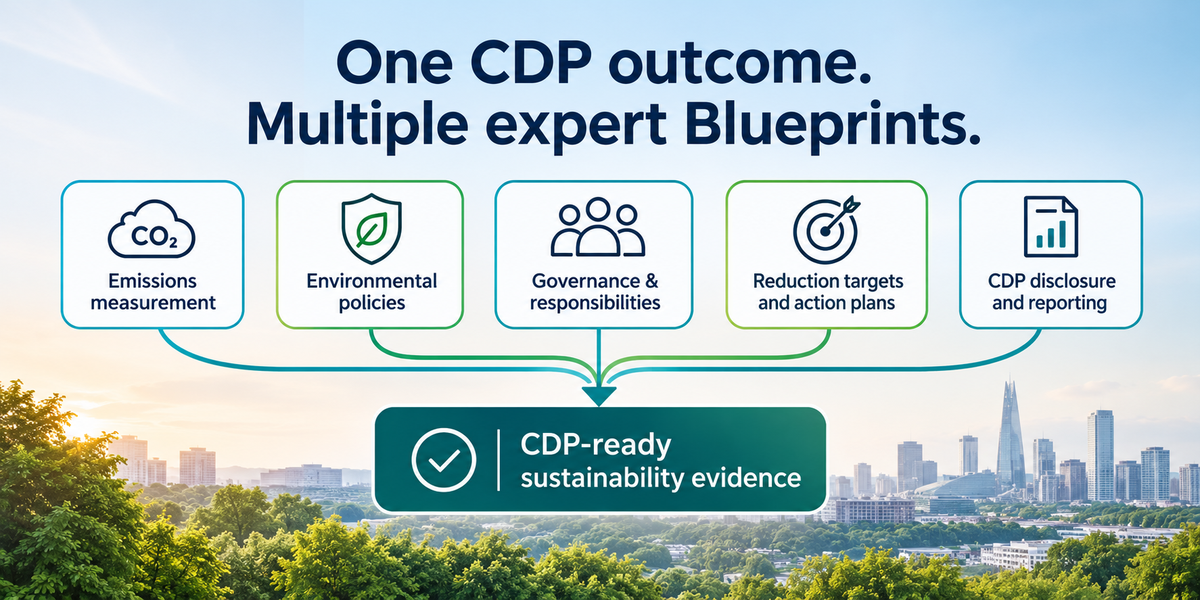
The opportunity is to move beyond simply measuring environmental impact and towards making that information useful, accessible and commercially valuable throughout the supply chain.
From 2027, central government will score social value at 10% or 20% on larger contracts. How small contractors can make credible, measurable commitments.
What ISNetworld, Avetta and similar reviewers check in written programs, insurance certificates, OSHA logs, EMR letters and client requirements, why submissions stall, how grading works, and how to answer a deficiency so it closes first time.
How to build an expiry register for insurance, accreditations, training cards such as CSCS and OSHA 10/30, equipment inspections and subcontractor certificates, with lead-time reminders, named owners, a lapse checklist and a quarterly audit routine.
What to collect before a subcontractor starts: insurance, CIS and VAT (or W-9 and COI in the US), H&S evidence, competence cards and verified bank details. With risk tiers, a day-one checklist, flow-down of client requirements and offboarding.
What principal contractors check in risk assessments and method statements: a reviewer's checklist, site-specific examples, hierarchy of control, permits, rescue plans, COSHH, competence and sign-off, common rejection reasons and a template outline.
CDM 2015 applies to every GB construction job. Who the duty holders are, what a contractor must do, when to notify HSE on an F10, a short construction phase plan template, welfare minimums, and what changes for domestic clients.